

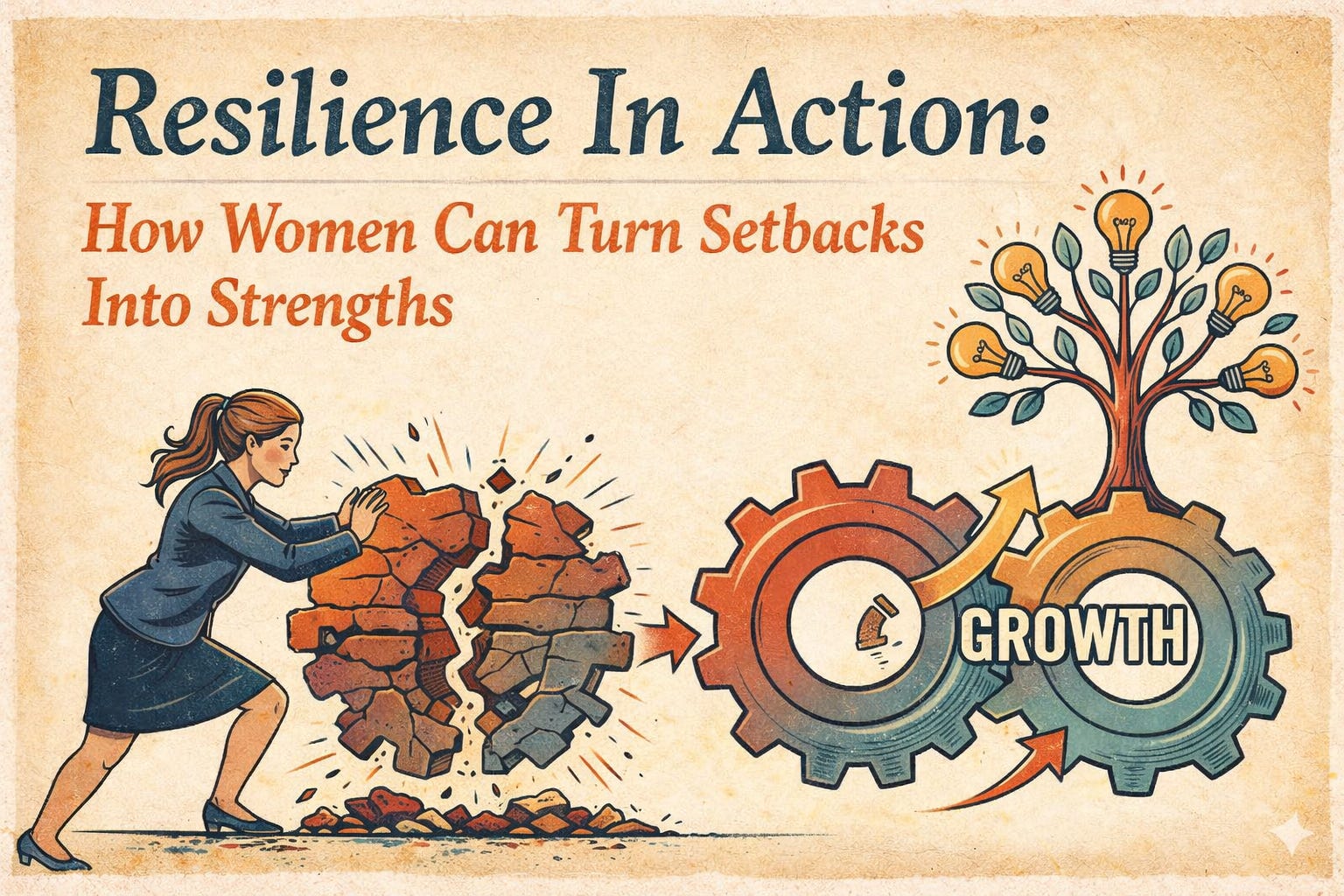
Women working in predominantly male industries, including technology disciplines, must navigate a distinctive set of challenges. Despite their qualifications and focus on goal achievement, these female professionals often face setbacks that male colleagues don’t experience. In my industry, I see this dynamic in companies of every size and business stage. Fortunately, approaching these setbacks with resilience and adaptability can help turn the situation around.
Defining Female Professionals’ Challenges
Identifying a problem is the first step to resolving it. In male-dominated industries, qualified female professionals may not receive equal consideration for project management and other job-related opportunities. In addition, they may not receive recognition for their workplace accomplishments.
Female professionals may also encounter two obstacles that inhibit their career growth and potential move into leadership roles. First, gender bias—whether intentional or not—can preclude women from learning about networking opportunities that open the door to higher-level positions.
More specifically, well-qualified women often do not receive serious, objective consideration for career-enhancing opportunities. Unfortunately, these are not isolated cases. Not surprisingly, any one of these issues can cause a talented woman to become discouraged and even question her career choice. However, there is a bright light at the end of the tunnel.
How Setbacks Can Fuel Innovation and Growth
When handled constructively, each setback can serve as a springboard for personal and professional growth. Put another way, each adverse situation can become an opportunity to demonstrate true resilience.
Reframing Failure
Reframing failure is the first step toward growth. Historically, failure has been regarded as the worst possible outcome. However, failure is often only a temporary step backward—and an excellent learning opportunity. Each failure offers a chance to determine what didn’t go as planned.
Identifying lessons learned and areas for improvement naturally follows. Through reflection, creativity and vision can reemerge, often leading to innovative, out-of-the-box solutions.
Failure also offers significant character-building benefits. When a workplace project does not achieve the expected result, professionals are encouraged to take an objective look at their strengths, weaknesses, and limitations. By learning what drives them, individuals may feel more confident taking calculated risks and moving forward.
Adopting a Growth Perspective
Successful leaders embrace a growth mindset—the belief that hard work and dedication can, over time, lead to the development of expertise and capability. Setbacks are not viewed as failures but as opportunities to improve and excel. This mindset encourages perseverance, creativity, and thoughtful risk-taking in pursuit of well-defined goals.
How to Cultivate Resilience
A resilient attitude and workplace culture help maintain a positive mindset and support long-term career success. Increasing activities that reinforce resilience—such as finding humor in frustrating situations, reframing negative outcomes, and establishing positive routines—can be highly effective.
Adopting multiple resilient behaviors can improve job satisfaction and foster a stronger sense of inclusion. When challenges arise, resilient women are better equipped to respond constructively and are less likely to seek opportunities elsewhere.
Navigating Obstacles
Female professionals at all career levels—particularly those aspiring to leadership roles—often encounter roadblocks that threaten progress. While some obstacles are minor, others require creativity, persistence, and collaboration to overcome.
Understanding that gender bias, whether conscious or unconscious, has real consequences is essential. Rather than ignoring the issue, women are encouraged to speak openly about their experiences and advocate for increased female representation in leadership roles.
Ongoing skills enhancement is also critical. Staying informed about industry trends, attending conferences, and pursuing continuing education strengthens professional influence. Building a strong personal brand and showcasing achievements further supports career advancement.
Finding Effective Mentorship
Mentorship can be a powerful catalyst for growth. Guidance from an accomplished woman in the same industry can help minimize obstacles and open new doors. For mentorship to succeed, both participants must be equally committed.
Networking plays a vital role in building meaningful professional relationships and fostering collaboration. Industry conferences, in particular, offer valuable opportunities to learn about emerging trends, connect with leaders, and participate in skill-building workshops.
Closing Thoughts
Organizations also have a responsibility to create more equitable workplaces. Reevaluating job responsibilities objectively, emphasizing positive communication, and fostering inclusive events and celebrations all contribute to a culture where every employee can thrive.
When resilience is supported at both the individual and organizational level, women are better positioned to transform setbacks into strengths—and to lead lasting, positive change.